See your site the way AI sees it.
ChatGPT, Perplexity and Claude can't read half the web. GetSlurp audits any page the way AI crawlers actually fetch it, scores it 0-100, and tells you exactly what to fix - with the evidence behind every check.
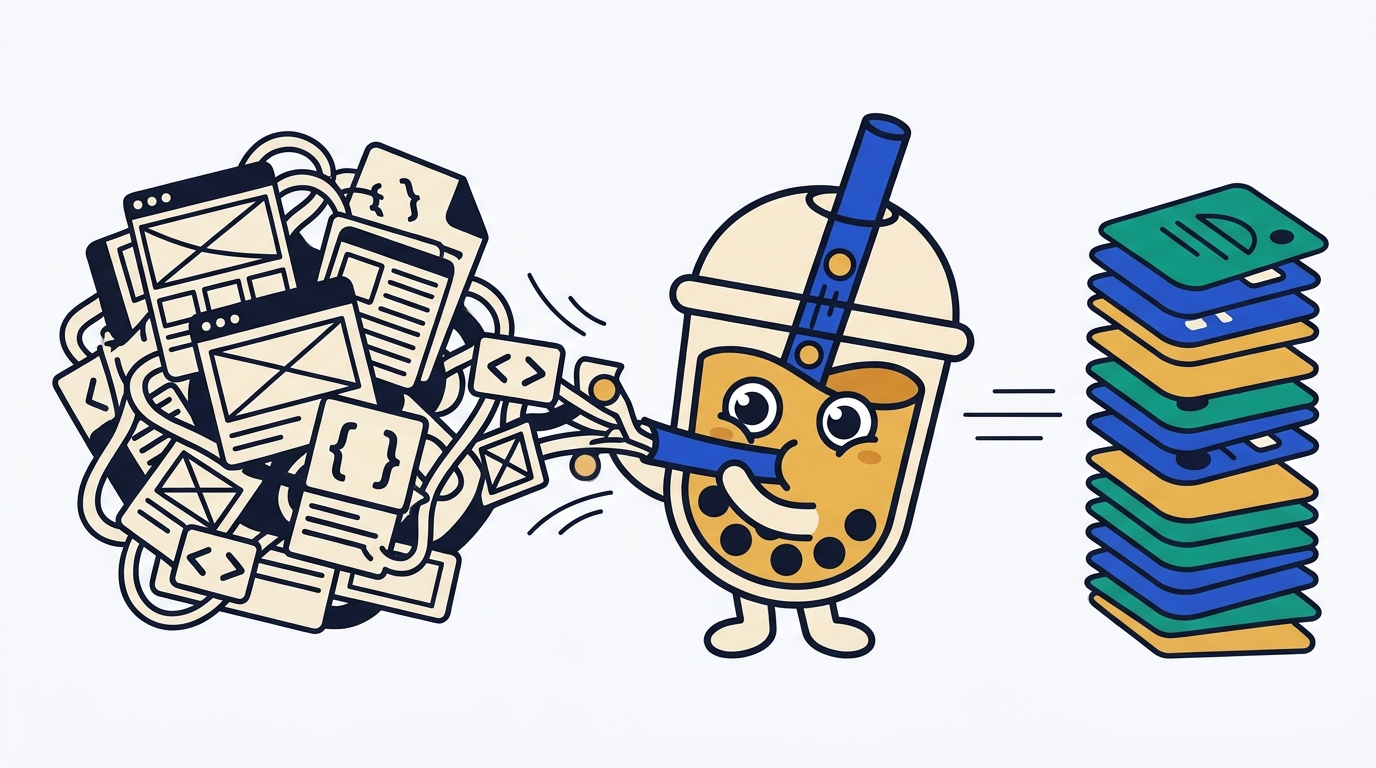
Two ways to slurp
The same audit engine, wherever you work. Both run locally: your pages and reports never touch our servers.
Chrome extension
One click on any page: Slurp Score, engine readiness for ChatGPT, Google AI Overviews, Perplexity and Claude, and a ranked fix list. Includes the raw-vs-rendered diff that shows how many of your words actually reach AI crawlers.
Coming to the Chrome Web Store.
MCP server
Audit from Claude, Cursor or any MCP client: single pages, sitemaps, competitor comparisons, and fix plans you can pipe straight into tickets.
What gets checked
About 60 checks across 11 weighted categories. Critical failures act as gates: a site that blocks PerplexityBot can't score above 49 for Perplexity, no matter how good the content is.
AI crawler access
weight 15%Can OAI-SearchBot, PerplexityBot, Claude-SearchBot and Googlebot reach the page at all.
Renderability
weight 15%No major AI crawler runs JavaScript. Content missing from raw HTML is invisible to them.
Answer-readiness
weight 15%Answer-first sections, question headings, chunks that survive being quoted alone.
Citability and evidence
weight 12%Statistics, quotations and sources. The tactics with measured visibility lifts.
Entity and E-E-A-T
weight 12%Authors, Organization schema, sameAs links, consistent brand naming.
Freshness
weight 8%Machine-readable dates and recency. Half of AI-cited content is under 13 weeks old.
Structured data
weight 8%Valid JSON-LD that matches the visible page. An extractability aid, not magic.
Semantic HTML
weight 6%One H1, clean outline, landmarks, descriptive anchors, lang attribute.
Meta and discoverability
weight 5%Title, description, canonical, Open Graph, readable URLs.
Internal linking
weight 4%How crawlers discover the rest of the site from this page.
Multimodal
weight 3%Alt text, transcripts and media schema. Text is the only way media gets retrieved.
Every check cites its evidence
No black box. Each check states why it matters and links the research behind it.
We don't score llms.txt. Here's why.
No engine reads it. Google has said so on the record, and a 137,000-site study found 97% of llms.txt files get zero bot traffic. GetSlurp reports it as informational and gives it zero weight - along with every other factor the evidence doesn't support. A score you can trust has to be allowed to say "this doesn't matter."